Torah-aligned general studies, delivered through Canvas.
The Machon Digital School provides complete general studies courses designed specifically for the yeshiva environment. Courses emphasize academic skill development, clear pacing, and accountability, while allowing schools to maintain their own culture and daily schedule.
Request program information, enrollment steps, and implementation guidance.
Get Program InformationSupport course creation and expansion so more yeshivos can implement a stable, rigorous program.
Partnership OpportunitiesFor students not enrolled through a yeshiva program, or for credit recovery and make-up needs.
Student Registration
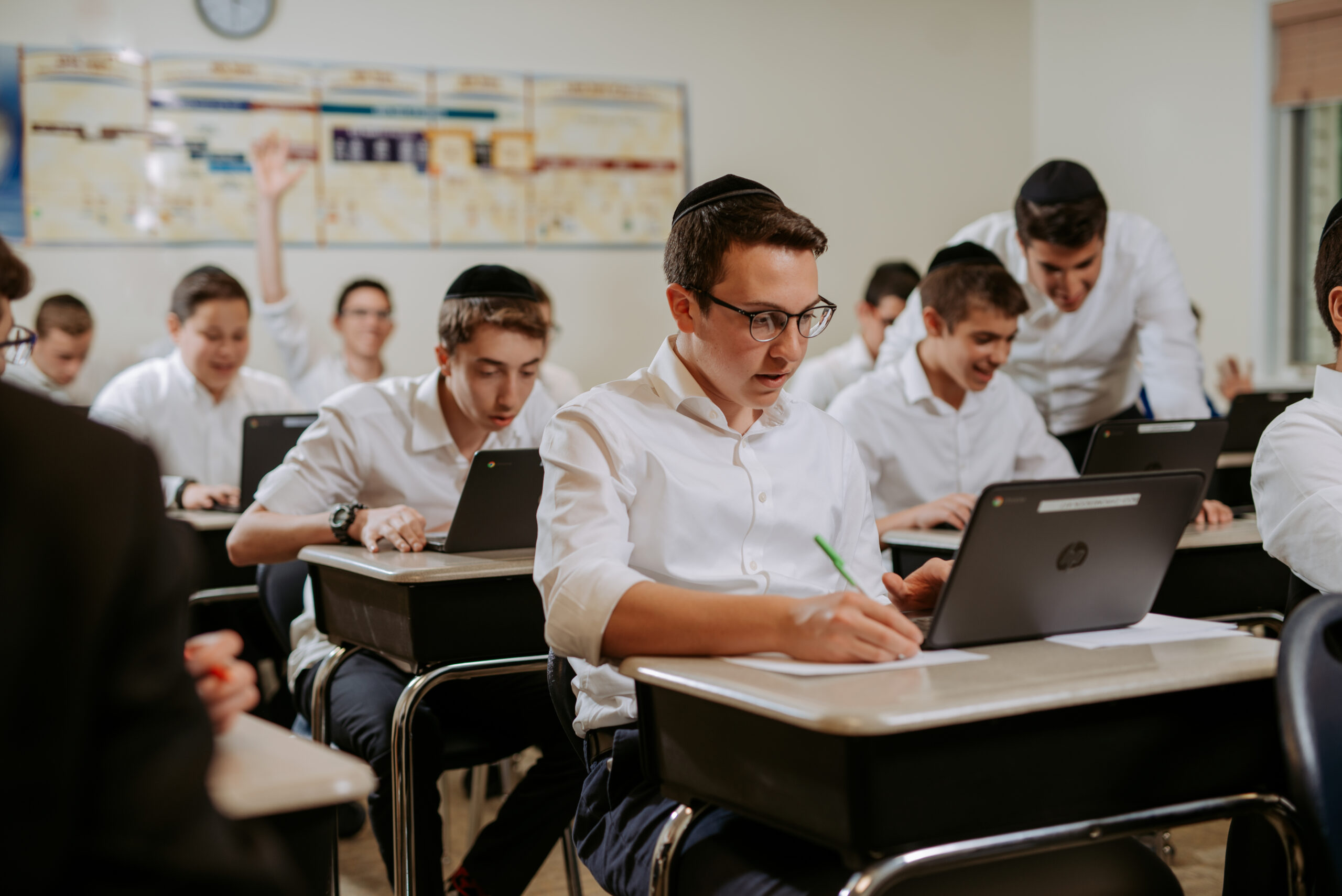
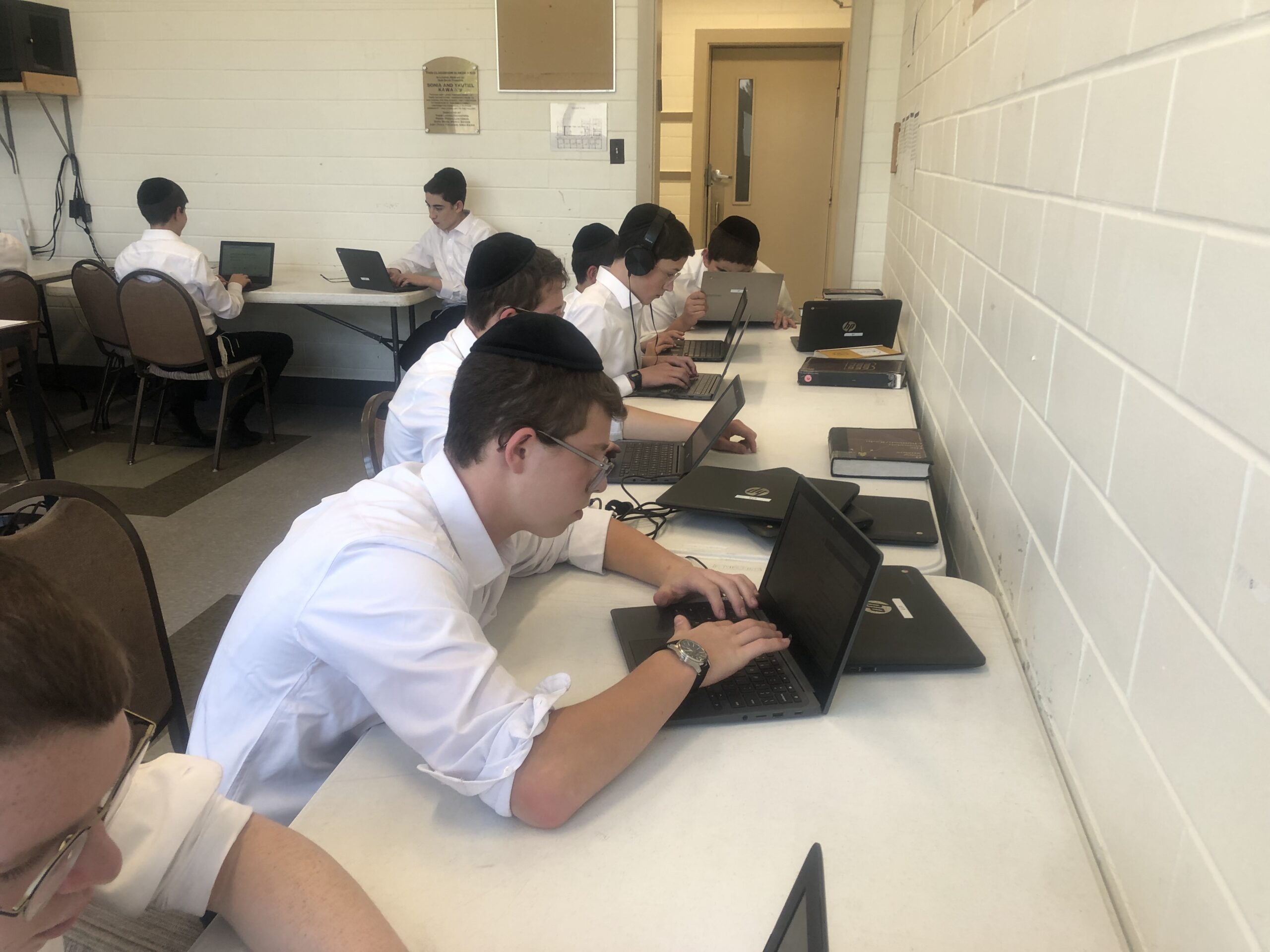
Courses are built around a consistent instructional structure so students, teachers, and administrators know what to expect.
- Instructional lessons introduce core concepts and skills
- Guided practice reinforces understanding
- Assignments and assessments measure progress
- Feedback supports growth and accountability
Participating schools receive a complete, ready-to-run general studies program hosted in Canvas.
- Fully developed courses with lessons, activities, and assessments
- Built-in pacing and accountability
- Assessments designed to measure mastery
- TA feedback on student work
- Implementation guidance and launch support

A consistent workflow reduces confusion for students and simplifies monitoring for schools.
A clear overview of how Language Arts, History, Science, and Math are planned to develop over time, with skills and expectations building naturally from year to year.

The Machon Digital School is Cognia-affiliated and is currently completing their rigorous accreditation process.
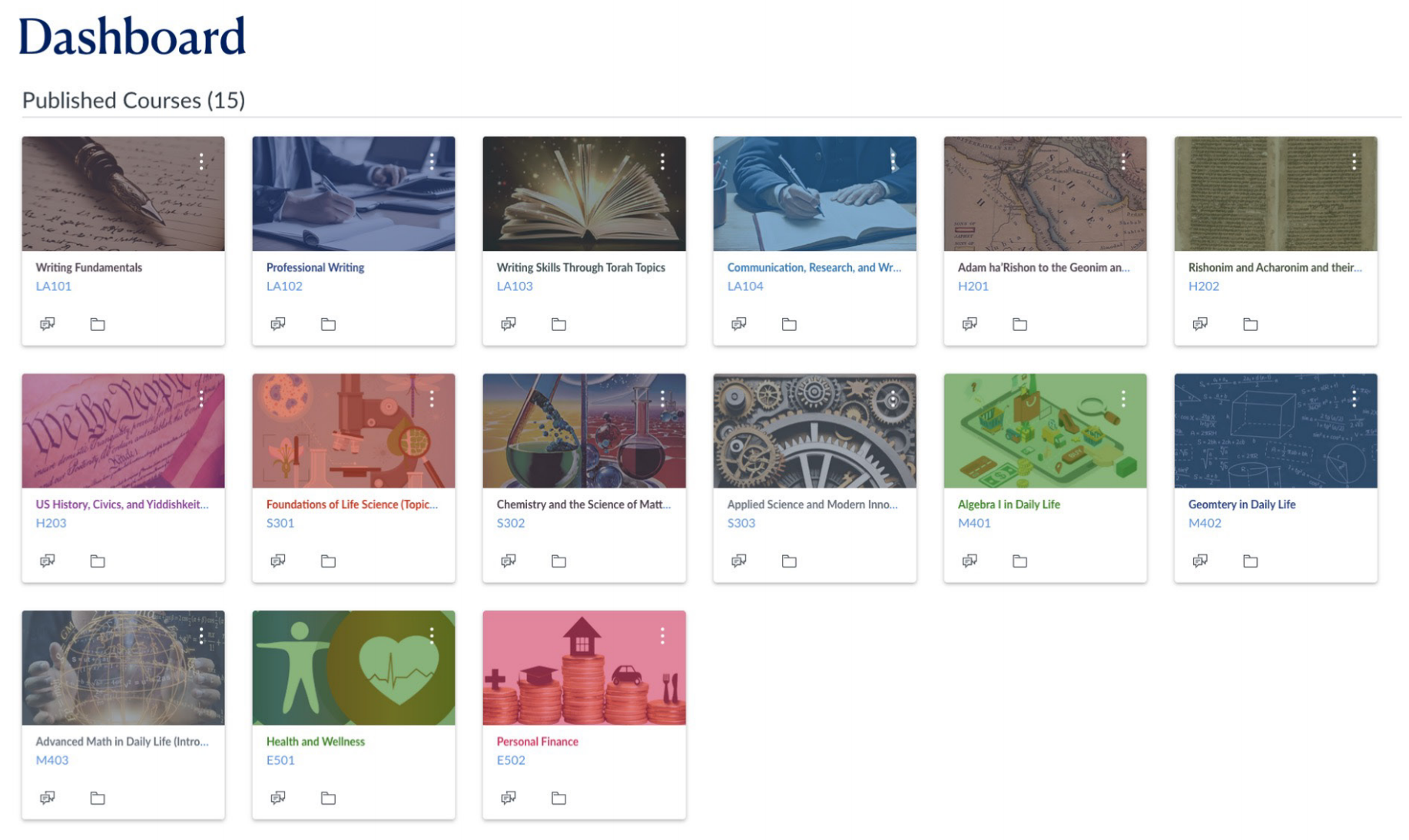
Machon courses are delivered through a consistent digital classroom that organizes instruction, assignments, and reflection in one place. Students progress through clearly defined units while schools maintain academic oversight.
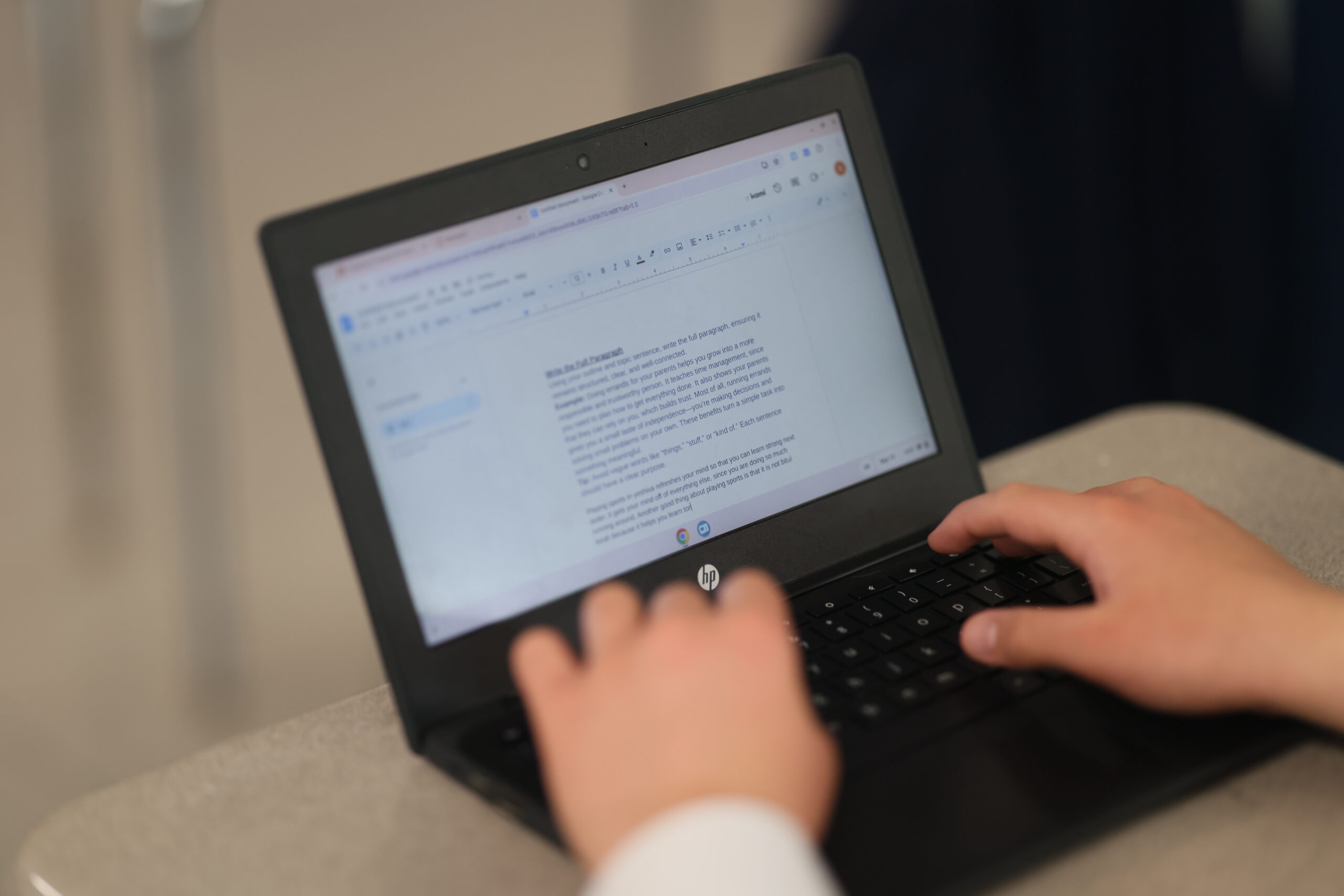
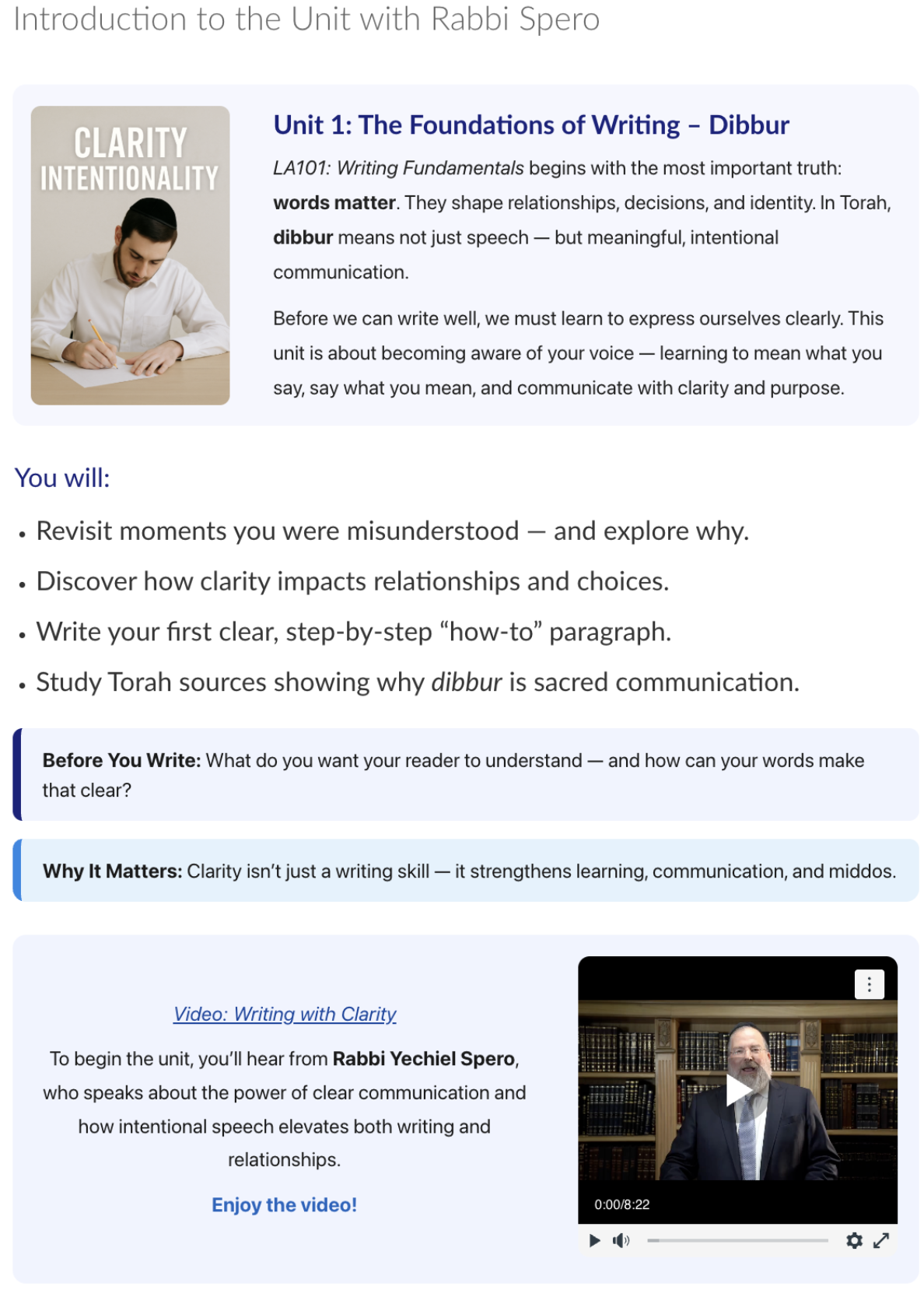
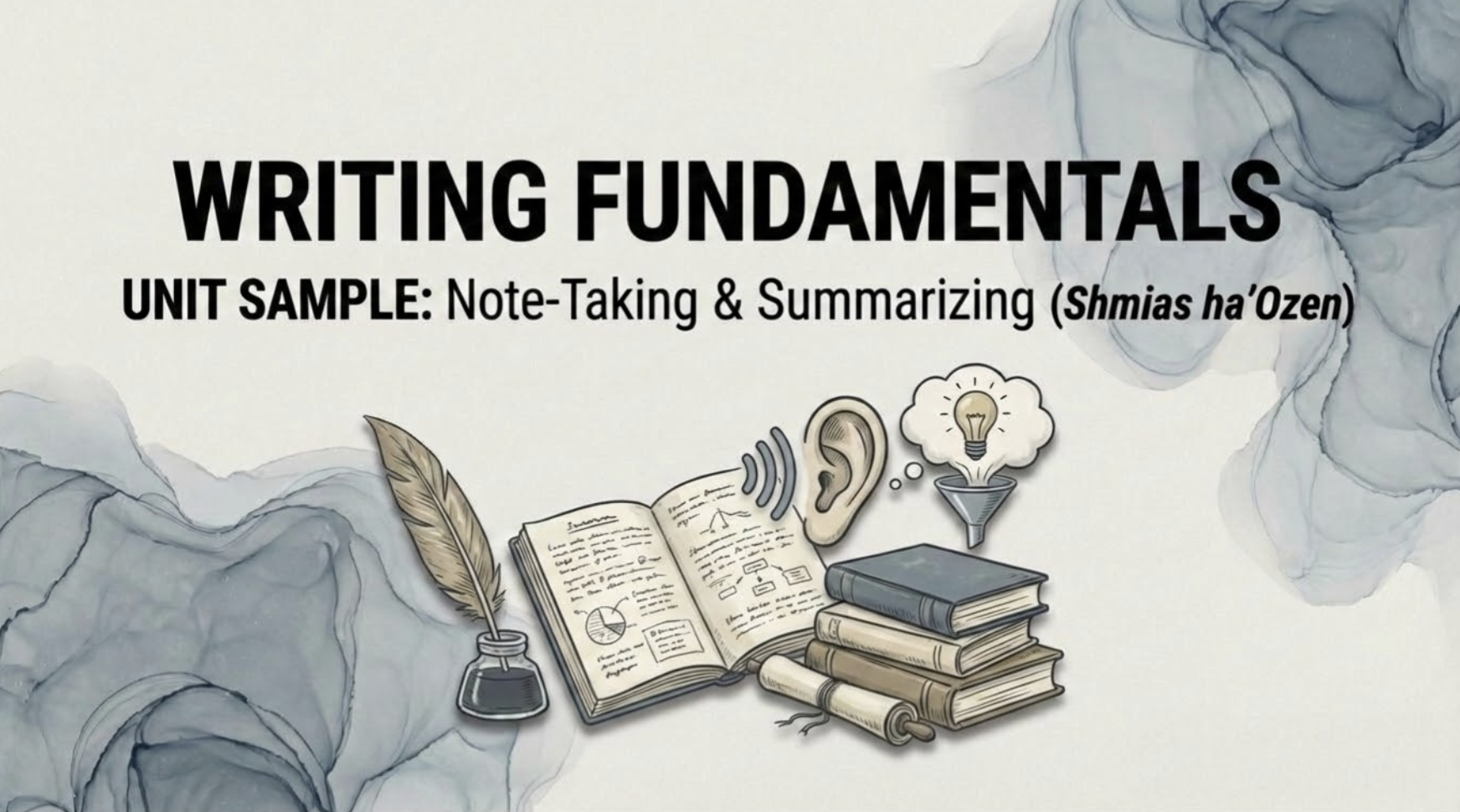
The image on the left comes from the opening hook of Unit 1 in Writing Fundamentals, the foundational Language Arts course in the Machon Digital School. The unit introduces the core premise that clear, intentional communication is a learned academic skill.
The course is built on Machon’s Skills-First pedagogy, developed in-house to teach students how academic work functions before they are asked to produce complex outputs. Instruction follows a predictable weekly rhythm: direct teaching, guided practice, a focused writing task, and targeted feedback on a single skill. Torah sources are integrated where they directly sharpen the skill, such as understanding dibbur as intentional communication.

Per-student, per-course: Schools pay on a per-student, per-course basis, covering curriculum access, lessons, assessments, and TA feedback.
Implementation fee: A one-time fee supports setup, training, filtering guidance, and launch support.
Schools cover program access costs. Partnership support funds what tuition cannot: course design and development, multimedia production, platform readiness, and expansion to additional yeshivos.
A short introduction to the Machon Digital School model and the thinking behind it.
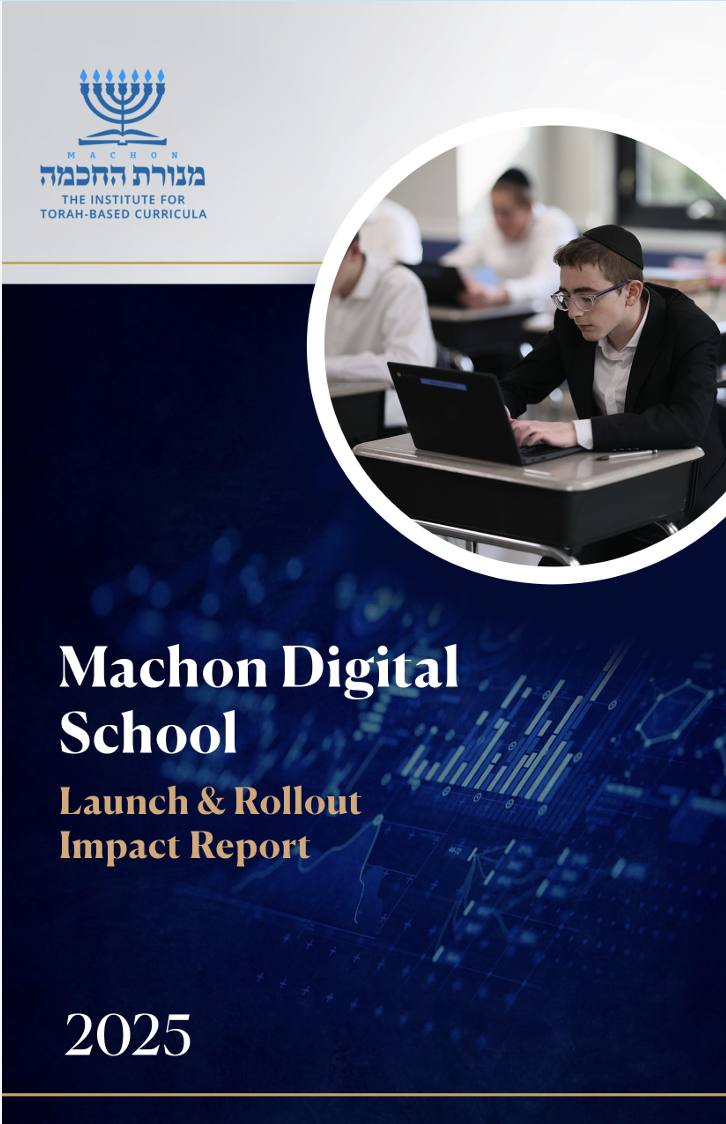
Overviews, sample units, and reports. Each opens in a new tab.
Torah Umesorah has reviewed and endorsed the Machon Digital School.
The letter affirms Machon’s Torah-aligned approach and supports the Digital School model under appropriate rabbinic guidance.
It is signed by Roshei Yeshiva, including
Rav Elya Brudny, Shlit”a; Rav Yosef Eichenstein, Shlit”a; Rav Chaim Y. Hoberman, Shlit”a; and Rav Yaakov Bender, Shlit”a.
Machon Menoras Hachochmah is under the Rabbinic Auspices of the Rosh Hayeshiva of Kesser Torah of Baltimore, Rabbi Tzvi Mordechai Feldheim, Shlit”a
- Rabbi Yaakov Hopfer, Shlit”a - Mara D’Asrah of Shearith Israel Congregation and President of the Vaad HaRabbanim of Baltimore
- Rabbi Sholom Kamenetsky, Shlit”a - Rosh Yeshiva of the Talmudical Yeshiva of Philadelphia
- Rabbi Ahron Lopiansky, Shlit”a - Rosh Yeshiva of the Yeshiva of Greater Washington
A space for general studies administrators to share best practices and collaborate across schools.
Connect with colleagues, share resources, and stay informed about program developments.
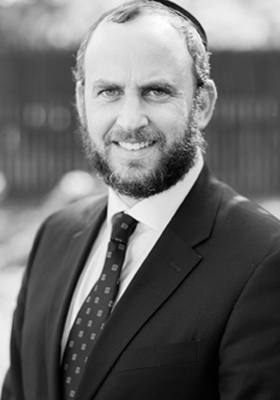
Rabbi Avrohom Feldheim is currently the Menahel at Mesivta Kesser Torah of Baltimore, a yeshiva high school that he founded with his father, Rabbi Tzvi Mordechai Feldheim, in 2017. The Mesivta has achieved acclaim for both rigorous learning in the morning and an innovative educational program in the afternoon. Rabbi Feldheim received both a BTL and an MTL from the Talmudic University where he also served as a Rebbe and the Assistant Menahel of the Mechina of South Florida. After learning at both the Jacob Joseph School in Edison and Beth Medrash Govoha in Lakewood, Rabbi Feldheim became a talmid of Rabbi Tzvi Kaplan at Yeshivas Kodshim in Jerusalem. Known for creative educational approaches, Rabbi Feldheim has developed a curriculum encompassing thousands of worksheets on the high school level that incorporates cooperative and project-based learning. This program helps bochurim understand the structure of the Gemara and ultimately gives them the skills and tools to learn independently.
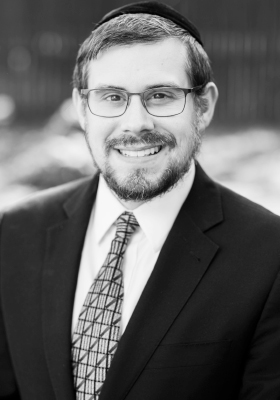
Rabbi Mordechai Weissmann is currently the Curriculum Coordinator at Mesivta Kesser Torah of Baltimore. He has taught both Judaic and General Studies on middle and high school levels at the Beth Tfiloh Dahan Community School, Melvin J. Berman Hebrew Academy, Yeshivas Toras Chaim of Baltimore, and Mesivta Kesser Torah of Baltimore. Rabbi Weissmann received a BA from Columbia University in English and Comparative Literature while concurrently receiving a second BA in Talmudic Law. He learned for semicha, rabbinic ordination, in both the Marcos and Adina Katz Kollel of RIETS in New York and in the Caroline and Joseph S. Gruss Kollel in Jerusalem. Rabbi Weissmann learned Yoreh Deah under Rabbi Menachem Genack, Rosh Yeshiva of RIETS and CEO of OU Kosher. He also received an MA in Jewish Philosophy from the Bernard Revel Graduate School of Jewish Studies at Yeshiva University as well as an MLIS in Library and Information Science from the University of Maryland. Rabbi Weissmann specializes in developing curricula that allows his students to discover how the Torah can apply to all aspects of their lives while ensuring that they are developing the necessary skills required for their General Studies subject matter at the same time.